Complementary treatments
Homeopathy
Homeopathy as a supportive treatment for people with military-related post-trauma
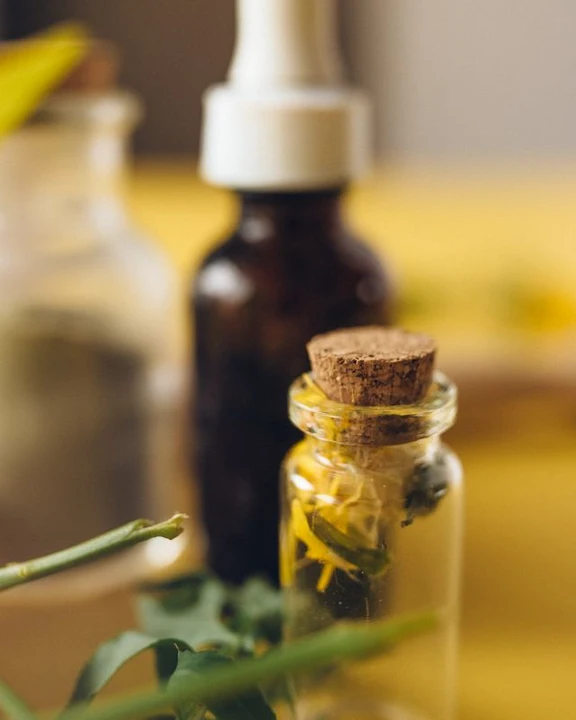
Homeopathic treatment for people with military-related post-trauma (PTSD) offers a holistic approach that sees the person as a whole of body and mind. Post-trauma often appears through a range of symptoms — such as hypervigilance, flashbacks, insomnia, and outbursts of rage — that point to the body's systems being thrown out of balance. Rather than focusing on suppressing a single symptom, homeopathy aims to awaken the patient's natural mechanisms of healing and balance. The treatment is based on a personal, precise match of a homeopathic preparation (remedy) derived from natural substances, one that addresses the unique set of experiences of each individual and the way the trauma affects their daily life.
The goal of the homeopathic care is to gradually reduce the intensity of the nervous system's response to everyday triggers, and to help restore a sense of stability and inner control. These preparations are made through a special process of dilution and succussion, making them gentle and safe to use. Many patients who incorporate homeopathy into their rehabilitation routine report a gradual improvement in sleep quality, a decrease in general anxiety levels, and an increase in their capacity for emotional regulation when interacting with family, friends, and the workplace.
Acupuncture
When coping with military-related post-trauma, the body and mind often remain on high alert, in a kind of "combat mode," even years after discharge. Acupuncture offers a safe, quiet space that finally allows the body to shift down a gear and begin to heal. On the physical level, the gentle treatment helps calm an over-aroused nervous system, thereby helping to reduce anxiety and chronic muscle tension, and significantly improving sleep quality.
From the perspective of Chinese medicine, trauma creates internal blockages and disrupts the natural balance, and acupuncture helps release that "stuckness" and restore to the body the flow of life and the balance that had been disturbed. Acupuncture requires no words and no re-flooding of painful memories; it simply gives the body a calming physical anchor and allows it to process experiences at its own pace — a complementary and powerful tool that works hand in hand with psychological therapy.
Medical Massage
The muscles are among the first things in the body to respond to reality and to the life happening to us and around us. Whether it's something pleasant taking place or something hard, on the physical plane or the emotional one — the muscles are the first to react, and they also remember. That's why massage and muscle work, beyond the calm and release they bring, hold a physiotherapeutic value as well as a psychotherapeutic one — both body and mind gain from the treatment.
For a massage to bring about positive results, it must be done professionally — with respect, sensitivity, and attentiveness to the patient's body and mind.
Shiatsu
Shiatsu is a Japanese hands-on therapy based on the principles of Chinese medicine.
Chinese medicine sees body and mind as a single unit, and so, in treating the body, it treats the mind as well.
The treatment is carried out through gentle presses, stretches, and movements along the meridians — the body's energy channels.
The enveloping, balancing touch of Shiatsu can help people with post-trauma reduce tension and anxiety, restore a sense of safety in the body, and create calmer ground for healing.
Reflexology
Reflexology is an ancient method of treatment through touch, mainly on the soles of the feet. Points and areas on the foot represent a "map" of all the body's organs and systems, and through touch on the foot, it's possible to treat and regulate various systems, including the nervous system. The treatment is usually pleasant and relaxing.